Popular Products
Popular Products


About Me

- Resion
- Resion is committed to complete customer satisfaction and regulatory compliance by maintaining a system of continuous improvement of our processes, products, and employee training. We strive to achieve best in class among our competitors.
Recent Products
Prevent Counterfeit Electronics from Entering Supply Chain with Personnel Training!


Businesses operating in the supply chain industry work round the clock to manage inventory, fulfil orders, and keep up with clients’ requirements. Among these, customer organizations also fight the constant evil present in the industry, i.e., counterfeit components. The spurious or suspect parts of electronic products are a major risk to the integrity and quality of supply chain logistics. The dangers these counterfeit components bring to a business is unthinkable! So, how does one avoid the damages and liabilities to their business? By implementing Counterfeit Electronics Personnel Training.
What is Counterfeit Electronics Personnel Training?
Resion’s International Counterfeit Electronics Personnel Training is a learning module designed to
educate the employees of your organization about the various types of commercial and industry nonconforming counterfeit components. The staff involved in testing and assembling also need to understand the dangers of these items entering the commercial and Department of Defence supply chains. In addition, such training can help the staff develop skills needed for identifying and
detecting counterfeit items through X-Ray inspections. Counterfeit mitigation is one of the primary goals of every organization in the supply chain industry.
How can counterfeit training be implemented for favorable outcomes?
If counterfeit electronics components enter the supply chain, they can jeopardize the manufacturers’ credibility, exposing them to potential liabilities. After the government passed legislation to put a check on the circulation of counterfeit items, the companies are now required to acquire parts from reliable suppliers with long-standing credibility in the industry. In addition to the law, organizations can take various steps on the ground level for counterfeit mitigation, including:
1. Set Pre-Defined Standards
The authorized codes and regulations for nonconforming counterfeit are to be obliged by all firms; independent businesses can set up or collaborate with established agencies to oversee the counterfeit inspection. These standards will not only help match the industry-approved standards but also help you rank higher with your clientele.
2. Establish a Product Assurance Team
Compliance is the core ethic required to ensure that the standard of every product is met by the supplier and manufacturer. However, businesses can also solidify their stance on the effort of counterfeit mitigation by establishing a formal product safety committee. This team will be
responsible for product design checks, manufacturing quality testing, and ensuring the product safety codes are up to the expected par.
3. Implement Testing at the Facility
Many companies have adopted an additional filtration process through independent testing at their facility or tying up with a trusted third party that reflects their core objective. From sample testing to double-checking consignments at delivery can adequately test the validity of the suppliers’ quality and be an additional testament to their compliance certifications.
4. Strict Supplier Selection
An aspect that requires high emphasis is the importance of knowing your suppliers well. Moreover, one need not stop there but also seek extensive information about their suppliers’ suppliers. The better you know the items you’re getting, the better prepared and confident you can be in the
quality of the product you deliver to your customers.
Counterfeit mitigation is not a choice but rather a necessity in ensuring that only the highest
quality electronics components reach your clients. Resion offers comprehensive International Counterfeit Electronics Personnel Training to easily help your business achieve this goal. Reach out to our team to learn more!
Mistakes to avoid for improving inventory management!

Inventory management is a crucial component of the supply chain distribution and manufacturing process. The inventory needs to be well-maintained throughout the different phases from sourcing, storing, transferring to manufacturing for maintaining excellent quality control. Any mistakes in maintaining the inventory management system may lead to inventory management challenges such as loss of inventory, inventory damages, etc., affecting the production. Thus, manufacturers and distributors need to be aware of the common mistakes and avoid them to ensure excellent inventory management.

Following are the top inventory management mistakes you should avoid:
- Manually managing inventory
Businesses that continue to manage the inventory through manual processes face more inventory management challenges as there are higher chances of human error. As a result, they may struggle to keep an accurate inventory record. Moreover, such errors may reduce the efficiency of business operations. Thus, it is best to adopt an automated inventory management system to optimize the inventory management process.
2. Using obsolete inventory tracking technology
Many businesses become reluctant to employ the latest technology inventory management solutions to save costs. Instead, they continue to use obsolete inventory tracking technology. As a result, their inventory management process becomes outdated and inefficient eventually. Moreover, inventory tracking through old technologies such as spreadsheets or obsolete software may keep them behind the competitors in today's competitive markets. Thus, it is crucial to invest in up-to-date inventory management solutions that are fully equipped with automated updates, accurate tracking, and instant accessibility.
3. Poor integration of inventory management system
Sometimes businesses
invest in various separate systems for each process from storing, inspections,
moving parts, tracking, etc. If these technologies are not integrated using a
centralized inventory management system, it can increase the administrative
burden. In that case, instead of boosting business productivity, it may slow
down the inventory management process. Therefore, it is recommended to consider
employing an inventory management system that can easily integrate various
technologies while allowing centralized control.
If you are looking to invest in an up-to-date, efficient inventory management system to cope with various inventory challenges, get in touch with our team to explore our innovative inventory management solutions today!
Tips when buying obsolete electronic components from independent distributors!

Looking for a replacement part, obsolete electronic parts, or other electronic components that are in shortage in the electronic components supply chain can be highly challenging. It is no secret that many unreliable suppliers in the supply chain provide counterfeit electronic components. However, when you can’t buy these parts from the original manufacturer, you may need to rely on an independent third-party supplier for fulfilling your inventory needs. Therefore, it is crucial to verify that you are sourcing parts from legitimate and reliable electronic components distributors.
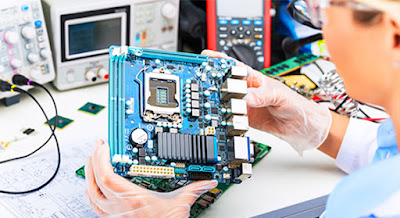
Here we have a list of things you should consider when you have to buy obsolete electronic components from an independent electronic components distributor to protect yourself against counterfeit products:
- Verify industry certifications
The electronic component distributors must adhere to industry-specific certifications such as ISO (International Standards Organization) to distribute specific electronic components. Thus, verifying that the distributor has an ISO certification is recommended to signify the supplier complies with the ISO quality management system. In addition, you can ensure the vendor’s legitimacy by checking if they are a member of the ERAI.
- ANSI/ESD S20.20 certification
If you want to buy electronic components for applications in the aerospace, automotive, telecommunication, commercial electronic, and medical equipment industries, you must verify that the distributor is ANSI/ESD S20.20 certified.
- High-quality Inventory
It is crucial to ensure that the supplier you choose features a high-quality electronic components inventory. Thus, it is best to ask the distributor regarding their quality assurance process. For example, it is recommended to gather information regarding whether they have a fully equipped facility with appropriate inventory management measures such as a moisture sensitivity program to ensure that the obsolete electronic components are stored safely. In addition, it is best to ensure the supplier complies with IDEA-STD-1010, AS6081, and other industry-specific quality assurance processes.
- Counterfeit mitigation process
Although some buyers may have an in-house counterfeit inspection team, it is not the case for most. In that case, it may benefit you to source electronic components from an independent distributor (such as Resion), which has in-house Intercept inspectors and advanced technology equipment for visual inspections, electrical testing, X-ray testing & other counterfeit mitigation measures to ensure delivering authentic parts.
- Check online reviews
You can also verify if the vendor is legitimate by researching the supplier’s reputation online. Ensure to check the electronic components distributor’s website and check online reviews by previous buyers of the company to determine whether they deliver genuine and high-quality products.
- Additional information
Before making the final purchase decision, it is recommended to discuss every aspect, including the source of the obsolete part, required documentation, waiting time, minimum order limit, delivery details, and payment procedure. It will give you an idea of when to expect the product to arrive and make arrangements accordingly for future re-ordering.
Finding a reliable and trusted independent supplier beforehand can save you from a lot of trouble whenever you may immediately require replacement for any obsolete parts in the future. Thus, it is recommended to keep a list of various independent electronic components distributors handy.
If you are looking for
an obsolete electronic component distributor that fulfills the above criteria
and is a reputable and legitimate supplier, simply contact our team for expert
assistance! Explore our extensive electronic components inventory today!
How does RoHS compliance testing help in the authentication of electronic components?

Electronic components demand has been at the peak ever since the pandemic. However, with a lack of supply, many suppliers struggled to maintain proactive supplier lifecycle management for timely sourcing of authentic electronic components. However, these are not the only challenges industrial buyers had to face. In addition to finding legitimate suppliers, buyers also needed to comply with numerous industry standards such as XRF, RoHS Testing compliance, X-Ray testing, and more.
What is RoHS?
Restriction of Hazardous Substances (RoHS) is among the most widely used standard procedure. The RoHS directive came into existence to detect, restrict and minimize toxic waste that negatively impacts the environment. It is a directive used for limiting the hazardous chemicals and materials (such as lead, mercury, cadmium, chromium, bromine, etc.) used in the production or distribution of electrical and electronic component equipment. In addition, it helps authenticate that the electronic and electrical components adhere to the industry guidelines. Therefore, RoHS compliance is mandatory, especially for supplying, distributing, and selling electronics instruments or electronic parts in the European market.
The RoHS compliance testing involves the following testing methods:
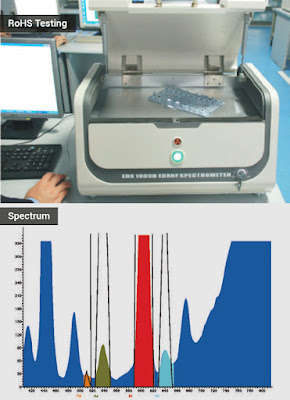
- X-Ray Fluorescence (XRF) Spectroscopy
XRF RoHS Testing is usually used as pre-screening testing for electronics that are suspected to be at risk of containing hazardous substances. Specialized X-Ray inspection equipment is used for the XRF Spectroscopy testing. It is a non-destructive technique that involves the analysis of particular parts of the electronic components. It helps identify the hazardous substances used in manufacturing the electronic parts and ensure that it does not exceed the specified safe limit of usage allowed for that specific component.
- Fourier Transform Infra-Red (FTIR) Spectroscopy
Fourier Transform Infra-Red Spectroscopy or FTIR Analysis is an advanced testing method performed using infrared. It is a highly effective technique that helps identify the various compounds and materials used for manufacturing electronic devices. It analyzes the substances used in electronic devices to determine their absorption, emission, and photoconductivity.
- Scanning Electron Microscope (SEM)
Scanning Electron Microscope (SEM) is a critical method widely used for RoHS process control. It involves producing and analyzing detailed images of the cell structure of the substances used in manufacturing the particular electronic parts. It is performed using a highly focused high-energy beam of electrons to scan the electronic components.
It can be challenging to
employ an in-house testing facility and find a qualified team for conducting
RoHS testing. Thus, you may find it more beneficial to rely on third-party
credible testing partners with fully-equipped testing facilities to perform the
required testings. So, if you need third-party support from a reliable team of
certified inspectors for XRF RoHS compliance testing, proactive supplier
lifecycle management, and integrated supply chain solutions, get in
touch with our team for expert assistance. Contact us today to learn more!
What are the various quality control methods used for sourcing PCBs?

PCB (Printed Circuit Boards) are being widely used in almost every piece of electronic equipment. So naturally, effective quality control is essential when sourcing PCBs as the quality of materials used for PCBs determines the high performance of the electronic device. During the manufacturing process of PCBs, X-ray inspection and many other quality control testings are done to ensure quality at each stage. But they usually have to pass several additional quality checks before being sold as buyers must ensure that the PCB development follows the relevant industry standards when sourcing PCBs for manufacturing electronics.
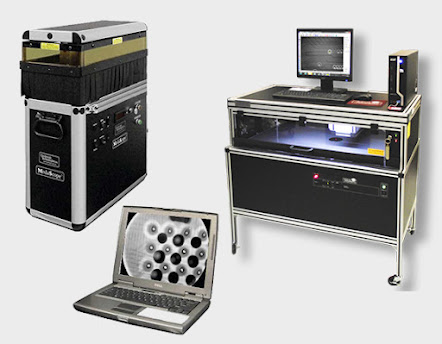
Following are the standard quality control methods used for PCBs:
Manual inspection
The first phase is usually a non-invasive manual inspection by certified inspectors. The inspector will ensure that the component has no visible defects. They usually use a number of tools to ensure the product is manufactured adhering to the relevant design standards. In addition, they will refer to the design of the original product to ensure the design of the delivered PCBs is consistent.
Automated Optical Inspection (AOI)
Automated visual inspection or Automated Optical Inspection (AOI) of the printed circuit board (PCB) is considered a superior and more reliable method of inspection than manual inspection. It is conducted using advanced technology machines to scan the PCB and detect any quality defects such as inconsistency of fillet size, shape, component line width violations, etc.
X-Ray Inspection
When sourcing any electronic components, X-ray inspection is a widely used method in many industries, including the medical industry, commercial industry, military, and aerospace industry. X-ray inspection of components such as PCBs is conducted to identify hidden defects that may have escaped the visual inspection. It is a non-destructive technique that helps identify manufacturing errors. Most buyers either use in-house X-Ray inspection equipment or trust third-party independent suppliers which provide certified products.
Electronic testing
The true test of quality is definitely the final product performance. Thus, PCBs usually undergo electronic testing to ensure they perform up to the required standards. It involves an electronic test with multiple pins to contact test points on the PCB to ensure there are no problems.
If you want to buy high-quality PCBs or other electronic
components that meet the industry-required standards, get in touch with our
team for expert assistance!
What causes inventory obsolescence?

Obsolete inventory refers to the stock that becomes unusable due to lack of demand or outdated build. Businesses are usually required to keep certain inventory in stock for manufacturing, distributing, and selling purposes. Inventory obsolescences are often caused due to businesses failing to manage their inventory often because of an ineffective inventory management system. However, sometimes obsolescence may occur due to unexpected reasons resulting in financial losses for the business. Thus, the manufacturers, suppliers, and distributors need to keep an accurate track of inventory, expect shortages, and make arrangements in advance to deal with deficits or obsolescence whenever they might occur.

We have compiled a list of various reasons which may cause obsolescence and interrupt the flow of manufacturing operations:
- Discontinuation of components
Sometimes, obsolescence may occur if the manufacturer of specific software, part, or machinery decides to discontinue the production or stops providing the support/updates for the component. It usually happens when they have launched or planning to launch a new component to replace the older one. It can quickly cause obsolescence that may disrupt the production flow.
- Advancements in technology
One of the leading causes of traditional software, parts, and machinery obsolescence is the improvement in technology. The technological improvements happen at a much faster rate, making the previous technology out-of-date overnight. The manufacturers may require a considerable amount of time to make the required changes to adapt the new technology to cope up with the unexpected obsolescence.
- Lack of demand
Sometimes, inventory obsolescence occurs due to a lack of demand when new technology becomes available and becomes more popular. As a result, the previous technology’s demand may fall below a certain extent, where the manufacturers consider it a better option to discontinue the product/software.
- New regulations
And of course, if the government suddenly changes current policies or establishes a new standard for certain products’ manufacturing due to detection of toxicity or ill effects on the environment, it may cause unexpected inventory obsolescence for manufacturers and distributors.
- Long product life cycle
The product life-cycle in certain industries, such as the life-cycle of the Department of Defense (DoD) system, is usually much longer than the technology life cycle. As a result, when the technology changes, they cannot immediately change the system. Thus, it leads to inventory obsolescence challenges until the product cycle ends and new technology can be adapted.
If you want to employ an effective mitigation strategy to counter
these challenges, Resion can help. Get in touch with our team for effective
supply chain and inventory management solutions.
How To Prevent the Risk of Counterfeit in Supply Chain

How many times have we noticed a recent launch in the electronics industry quickly duplicated and available at dirt cheap prices without any restriction or regulations? Practically after every big launch of a sophisticated technology or electronics company! This counterfeiting of electronics components is a rising problem for small and big businesses alike.

Counterfeit can be simply defined as an article or an electronic component manufactured at the minimum level of separately identifiable items. Counterfeit work consists of items that are misrepresented. A noted difference is in the design, which is identical to its parent company.
How to control counterfeits components?
Primarily the most straightforward approach would be to encourage customers to avoid open market purchases and only order from franchise stores. However, it is a well-known fact that most customers are enticed by a cheap deal where they can get a similar product and also end up saving some money.
Hence, a company can ensure and practice counterfeit mitigation in product assembly and analysis stages, in the following ways:
Counterfeit electronic components can be controlled by limiting the launches. This way a company can maintain a tight reign on the purchases made by their clients, whether they are businesses or direct consumers. By limiting the purchases a company can monitor their clients’ inventory and determine the source of counterfeit.
Alternatively, a company can approve a selective list of distributors through whom only authentic components will be purchased and used. This way the counterfeit parts can be prevented from entering the supply chain as only trusted companies will be trusted for sourcing authentic electronic components.
Lastly, the inspection department plays a key role in mitigating the risk of counterfeit parts from entering the supply chain. By following a proper protocol and procedures, a thorough inspection of each component should be performed.
This whole process of counterfeit mitigation can be a daunting task for small companies specifically. Thus, it’s safe and economic to entrust reliable experts to ensure counterfeit mitigation is practiced at the product assembly stages.
The Benefits of X-Ray Inspection Equipment in Quality Control.
Assuring product quality is of utmost importance to businesses in today's industrial world. One tool that has gained popularity for qu...